


Largely overlooked in the initial reaction to Google’s proposed $12.5 billion purchase of Motorola Mobility is the deal’s potential impact on the cable set top box business. When Motorola split the company in two, the decidedly un-mobile set top box group (formerly General Instrument) went to the Mobility unit. The U.S. market for set top boxes for cable and cable-like services, such as Verizon’s FiOS, is split between Motorola and Cisco (the former Atlanta Scientific.)
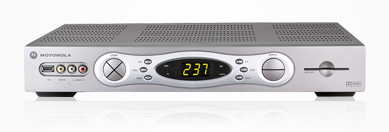 The cable box has been a huge impediment to the development of really practical systems to get internet video onto living room TVs. Motorola and Cisco build the boxes their cable provider customers want and that means very limited integration with the internet. In the view of the cable companies, Facebook and Twitter are fine, but Netflix and Hulu most certainly are not. And while it is possible to build a CableCARD-equipped device that allows customers to receive both cable and internet TV on a third-party box, resistance by the cable companies and the failure of the Federal Communications commission to enforce its own rules has resulted in a minuscule market for these products.
Google TV is a great example of a product that was choked by the set top box monopoly. The closest Google could come to integrating cable into its supposedly comprehensive service was to use a ridiculous and antiquated device called an IR blaster to let the Google TV unit control the set top box. IR blaster-based products have been around for years, but have never won favor from consumers (for one thing, at least in my house, the little IR sending units keep falling off the cable box.)
So what would Google do with its new presence in the living room if this deal goes through. It could simply follow the Motorola course and go on making the set top boxes that cable operators want, but that seems profoundly un-Googley. Or it could strike a new course, offering the first mass-market home entertainment united that fully integrate cable and internet services. That could revolutionize the business–or drive all the cable operators to Cisco, which has never shown much inclination to rock this particular boat. My bet is that Google will at least try to build the product that Google TV should have been in the first place.