


Over at ZDNet, Mary Jo Foley, master of all things Microsoft, reports sources tell her that having lost the name Metro in an apparent trademark dispute, Microsoft will call the new tile-based user interface for Windows 8 the Windows 8 UI. Beyond a stunning lack of creativity, this is going to cause some real trouble for the already difficult task of educating consumers about what Windows 8 is.
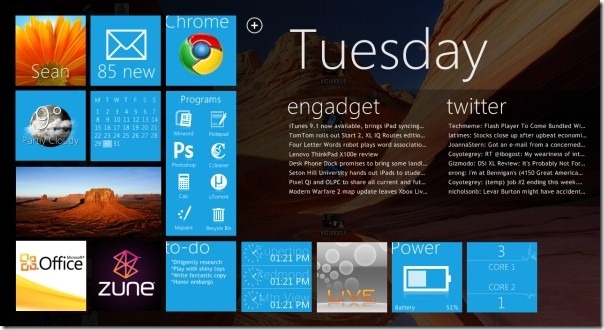 Windows 8 will existing in two versions on two different types of devices, which would be no problem if the general device type corresponded to the OS version–but it doesn’t. The Windows 8 we can think of as the successor to Windows 7 will run both on traditional PCs and on tablets based on Intel (or more properly, x86/x64) processors. The second version, known officially (so far, at least) as Windows RT, will run on tablets using ARM processors.
Now the version I am going to call traditional Windows, because Microsoft hasn’t really given it a name, offers two distinct user interfaces. There is a desktop interface that resembles Windows 7, but differs from it in some critical elements. And there is what used to be called the Metro UI, which is radically different, using no menus or icons in its full-screen apps.
Traditional Windows runs both types of apps, including applications written for older versions of Windows (though all of these will need considerable work–the sort Office applications have gotten–to look and feel right on Windows 8 and to provide better support for touch.) Windows RT supports only new (Metro) style apps. Microsoft made an important exception for itself: The traditional-styled Office 2013 applications, as well as the Windows Explorer file manager, will be on RT, but third-party software vendors are not allowed to do this.
If you are not thoroughly confused by now, you probably haven’t been paying close enough attention. This was going to be a huge customer education problem for Microsoft under the best of circumstances. But Microsoft now appears to have denied itself even an easy linguistic way to differentiate between these two user interfaces and the capabilities of traditional Windows and Windows RT systems.
I can’t quite fathom how Microsoft stumbled into this mess. But it’s going to be a tough hole to get out of.