


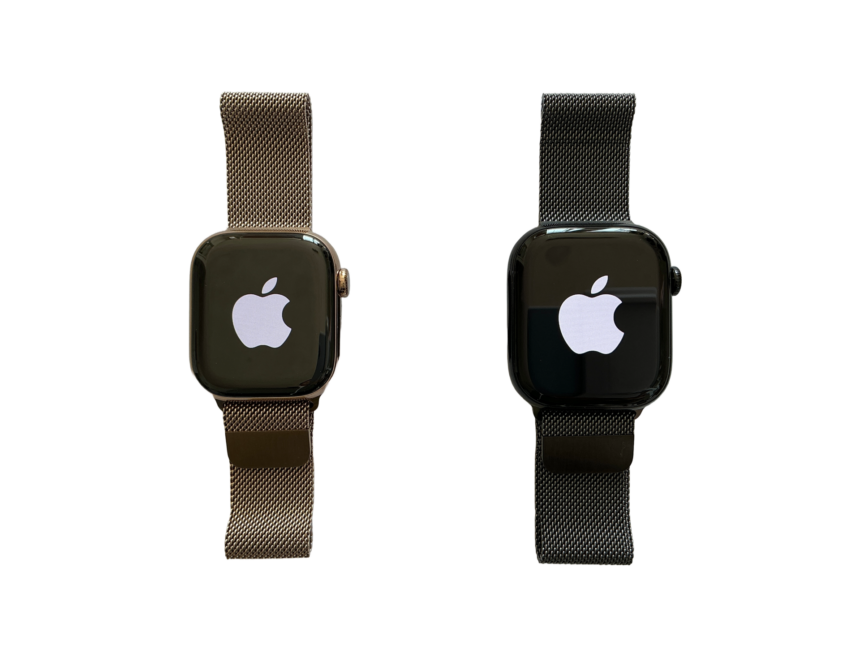
A year ago this fall, the Apple Watch started telling people they might have high blood pressure. The feature, called Hypertension Notifications, received FDA clearance in September 2025 and rolled out to recent Apple Watch models in more than 150 countries. Apple said it expected the alerts to reach more than one million people with undiagnosed hypertension in the first year, according to its announcement.
Tim Cook introduced it on X:
Apple Watch helps millions better understand their health simply by wearing it.
Today we introduced two powerful new features: one that will notify you if it detects signs of hypertension over time, and sleep score to give you more insight into the quality of your sleep. pic.twitter.com/f1cvPYy46Y
— Tim Cook (@tim_cook) September 10, 2025
A year in, the most useful thing to understand about the feature is not what an alert means. It is what no alert means.
What the numbers actually say
The watch does not measure blood pressure. It looks at how blood vessels respond to heartbeats over 30-day periods and flags patterns consistent with hypertension. In Apple’s own validation study, about 41 percent of people with undiagnosed high blood pressure received an alert, and about 59 percent did not, MedTech Dive reported. About 7.7 percent of people without hypertension received a false alert.
That is a deliberate trade-off. The feature is tuned to avoid false alarms, so when it does alert, the signal is fairly strong. A February study in JAMA, led by Jordana Cohen of the University of Pennsylvania, applied Apple’s validation numbers to national health survey data and estimated that about 69 percent of people who get an alert actually have hypertension.
The other side of that trade-off is the part most users never think about. Because the feature misses more undiagnosed cases than it catches, silence is not reassurance. The JAMA study estimated that for adults 60 and older, someone who gets no alert still has about a 34 percent chance of having undiagnosed hypertension. Cohen’s conclusion was blunt: the absence of an alert provides limited reassurance, particularly in older and higher-risk adults.
Why that matters more than the alerts
Most people who wear an Apple Watch will not get a hypertension alert, and for many of them that will be accurate. But a feature that runs quietly in the background for a year creates an easy assumption: if something were wrong, the watch would have told me. For the people most likely to have high blood pressure, that assumption is the most dangerous part of the product.
The risk is not that the feature is bad. It is that it could replace something better. A blood pressure cuff reading at a pharmacy or doctor’s office remains the way to know your numbers. If a quiet watch becomes a reason to skip that check, a screening tool designed to catch more cases could end up delaying some diagnoses.
The case for the feature
None of that means the alerts are not worth having. About 1 in 6 adults with high blood pressure is unaware of it, according to the CDC. A tool that screens millions of wrists continuously, at no extra cost to watch owners, and correctly flags a meaningful share of them is a real public health contribution, even if it catches fewer than half. Apple’s projection of one million alerts in the first year, if it held, would mean a lot of people learning about a serious condition they did not know they had.
Apple has also been careful about how it frames the feature. It is cleared as a notification, not as a blood pressure monitor, and Apple advises people who get an alert to log readings with a cuff for a week and share them with a doctor, MacRumors reported.
There is also a sign the regulatory system is doing its job. Apple’s new Apple Watch Series 12 and Ultra 4 use redesigned heart sensors, and the hypertension feature is not yet available on them in more than 30 countries while additional regulatory clearances are in process, MacRumors reported. In the U.S., the U.K. and the EU, the feature is available at launch. New hardware means the algorithm has to be validated again, which is how a medical feature should work.
What to do with this
If your watch alerts you, take it seriously and follow up with real readings. If it never has, do not read that as a clean bill of health, especially if you are over 60 or have other risk factors. Get a cuff reading. The watch is a smoke detector that goes off for some fires, not a guarantee that the house is safe.
Related reading: Apple Raised the Price of a Year-Old iPhone by $100.