

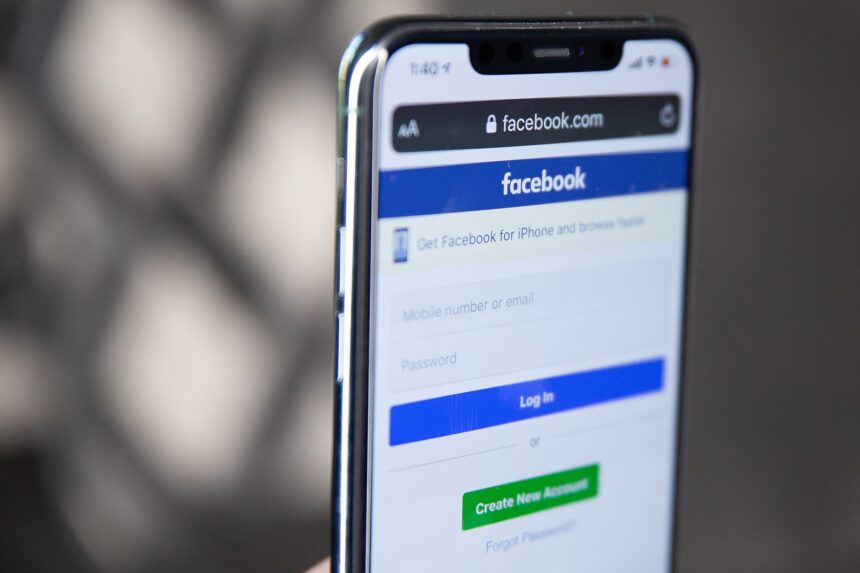
A city library in Greenville, Texas, recently learned it could no longer post more than two links a month on its Facebook page unless someone paid for a subscription. So did a pet-food nonprofit in Indianapolis, Engadget reported. They had run into Meta’s test of a cap on links, now tied to its Meta One subscription.
Under the published tiers, an Essential plan at $14.99 a month adds no extra Facebook links. Eight links a month costs $49.99. Twenty costs $149.99. Unlimited links cost $499.99 a month, according to Press Gazette and Engadget. Some page owners have been quoted different prices. Tech YouTuber Jeff Geerling posted his reaction:
Meta charges $39.99/month if you want to share more than two links a month now from a Page?! What a weird cash grab… pic.twitter.com/3LL7s6fUhw
— Jeff Geerling (@geerlingguy) September 29, 2026
Meta calls this a test. I read it as a clear statement of how Meta now values a link.
What the limit is
Meta began testing the cap in December 2025 on a subset of Facebook pages and profiles in Professional Mode, limiting them to links in two organic posts per calendar month, Press Gazette reported at the time. Meta said then it was a limited test to see whether posting more links added value for paying subscribers. After Meta launched Meta One in September, the test has expanded, and Press Gazette reported that it now appears to include links in comments, which were exempt at first. Links to Meta’s own platforms, affiliate links and ads do not count.
The rules are not entirely clear even to the people affected. Engadget noted that Meta’s help center and plan descriptions do not describe the restriction as a test. Meta told Engadget that it has been testing whether sharing links should be part of Meta One and will keep adjusting based on feedback. It also said government and nonprofit pages are not supposed to be affected, and later said nonprofit pages need to list “nonprofit” as their category.
Who it hits
News publishers are reportedly excluded, as they were from earlier tests, according to Press Gazette. But Press Gazette also noted that Meta has not confirmed how it defines a publisher, and that it knows of small publishers that have been told they hit the free limit.
That points to who the cap really lands on. Large brands and major publishers can more easily absorb the cost or qualify for an exemption. A city library, a small nonprofit or an independent creator who uses a Facebook page to point people to an event, a donation form or a new video is exactly the kind of account for which a $49.99 monthly fee is a real decision, and for which two links a month is not much.
Why Meta is doing it
Meta has argued that link posts tend to get lower engagement, according to AlternativeTo. Social media consultant Matt Navarra put the underlying logic more directly to Press Gazette: Meta increasingly sees an external link as something that takes value out of its ecosystem.
In my view, that is the real shift. For most of Facebook’s history, links were how pages used it: post something, send people somewhere. Charging for links reframes sending people off Facebook as a premium feature. Every platform wants users to stay; Meta is now putting a price on letting them leave.
The case for Meta
Meta has a reasonable business argument. Limiting links for free accounts could cut down on spammy link posts in feeds, and Meta has said link posts tend to perform worse anyway. Pages are free to run, and a company is entitled to decide which features cost money. Paying subscribers get extra features, and users who never post links will not notice a difference. Meta has also said this is a test it will change based on feedback, and at least one affected nonprofit saw its restriction reversed, according to Engadget.
The counterpoint is that the costs fall unevenly and the rules are moving. A test that reaches government and nonprofit pages it was not supposed to touch, and whose rules have shifted while it runs, is a test with real costs for the people least able to absorb them.
What to watch
The key questions are whether Meta keeps calling this a test or makes it permanent, whether the publisher exemption is written down, and whether referral traffic from Facebook to the wider web falls further. For anyone who relies on a Facebook page to drive people to their own site, my advice is to assume free links will not get more generous. Building direct channels, like email lists and your own site’s audience, matters more every time a platform decides that traffic leaving it is something to charge for.
Related reading: Paramount Can Now Buy Warner Bros. for $110 Billion. · AI Agents Sent Wikipedia Millions of Requests.