


FREE MEETING: KEY TRENDS AND RISKS IN TECH GAMES– REGISTER

  • ABOUT
  • CONTACT
  • BLOG
techpinions_logo_transparent techpinions__white_logo_transparent
  • STOCKS
  • IPOs
  • AI
  • Tech
  • Invest
  • Future
  • Lifestyle
  • Opinions
Reading: James Webb Space Telescope finds carbon dioxide-rich disk around star XUE 10
Share
TechpinionsTechpinions
Font ResizerAa
  • AI
  • Tech
  • Invest
  • Future
  • Lifestyle
  • Opinions
Search
  • AI
  • Tech
  • Invest
  • Future
  • Lifestyle
  • Opinions
Follow US
© Copyright 2025, Techpinions. All Rights Reserved.
Home » Blog » James Webb Space Telescope finds carbon dioxide-rich disk around star XUE 10
Tech

James Webb Space Telescope finds carbon dioxide-rich disk around star XUE 10

david_graff
Last updated: September 1, 2025 8:58 AM
David Graff
Published: September 1, 2025
Share
Carbon Disk
Image Credit: Techpinions

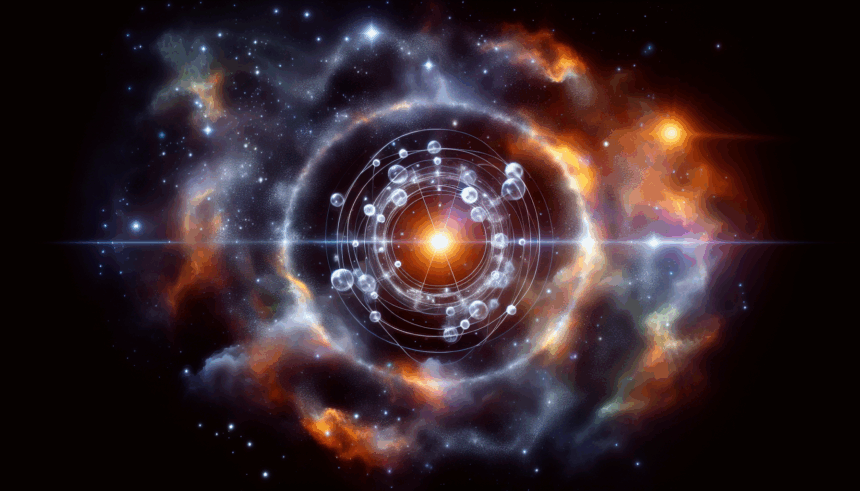
The James Webb Space Telescope has discovered a strange planet-forming disk around a young star called XUE 10. The disk has a surprisingly high amount of carbon dioxide and very little water. This is not what astronomers expected to find.

Planets usually form in disks of gas and dust around new stars. In the warm inner parts of these disks, water is usually found as a vapor. But in XUE 10’s disk, there is much more carbon dioxide than water vapor.

This challenges current ideas about how the chemistry in planet-forming disks works. The researchers think intense radiation from XUE 10 or nearby massive stars might be breaking down water molecules and changing the disk’s chemistry.

Unexpectedly carbon dioxide-rich disk

“Such a high abundance of carbon dioxide in the planet-forming zone is unexpected,” said Arjan Bik, a researcher at Stockholm University. “It points to the possibility that intense radiation is reshaping the chemistry of the disk.”

The team also found rare forms of carbon dioxide with different isotopes of carbon and oxygen. These could help explain unusual isotopes found in meteorites and comets in our own Solar System.

XUE 10 is located in a massive star-forming region called NGC 6357, about 5,550 light-years from Earth. The discovery was made by the eXtreme Ultraviolet Environments (XUE) collaboration. “It reveals how extreme radiation environments can alter the chemistry,” said team leader Maria Claudia Ramirez-Tannus from the Max Planck Institute for Astronomy in Germany.

“Since most stars and planets likely form in such regions, understanding these effects is essential for grasping the diversity of planetary atmospheres and their potential for hosting life.”

The research shows the impressive abilities of the James Webb Space Telescope to detect chemical fingerprints in distant planet-forming disks. It sheds new light on the complexity of disk chemistry in the universe.

Madden NFL 26 launches with new features and Switch 2 debut
NASA to provide live coverage for space weather observatory launch on Sept. 23
Keurig Dr Pepper to acquire JDE Peet’s in $18 billion deal, splitting into two separate companies
Apple accidentally reveals next-gen products through software code leak
Samsung Galaxy Tab S11 Ultra sets new benchmark for premium tablets
Share This Article
Facebook Email Copy Link Print
david_graff
ByDavid Graff
Follow:
David is the editor-in-chief of Techpinions.com. Technologist, writer, journalist.
Previous Article Indian Startups VC firm a99 launches $100 million fund to boost Indian startups
Next Article Scientists capture rare interstellar comet 3I/ATLAS with Webb telescope

In the last week:

Facebook introduces AI-powered search and friend bubbles to Reels
October 10, 2025
India’s startup boom: 1.95 lakh ventures transform innovation beyond metro cities
October 10, 2025
Northeast Georgia Health System combats healthcare worker burnout with AI integration
October 10, 2025
SpaceX launches 28 Starlink satellites with Falcon 9 booster on 29th flight
October 10, 2025
Best Anker deals from Prime Day: Discounts on headphones, security cameras, and more
October 10, 2025

Follow Us on Socials

We use social media to react to breaking news, update supporters and share information

Twitter Youtube Telegram Linkedin
techpinions_logo_transparent techpinions__white_logo_transparent

We influence 20 million users and is the number one business blockchain and crypto news network on the planet.

Subscribe to our newsletter

You can be the first to find out the latest news and tips about innovation and more...

© Copyright 2025, Techpinions. All Rights Reserved.