


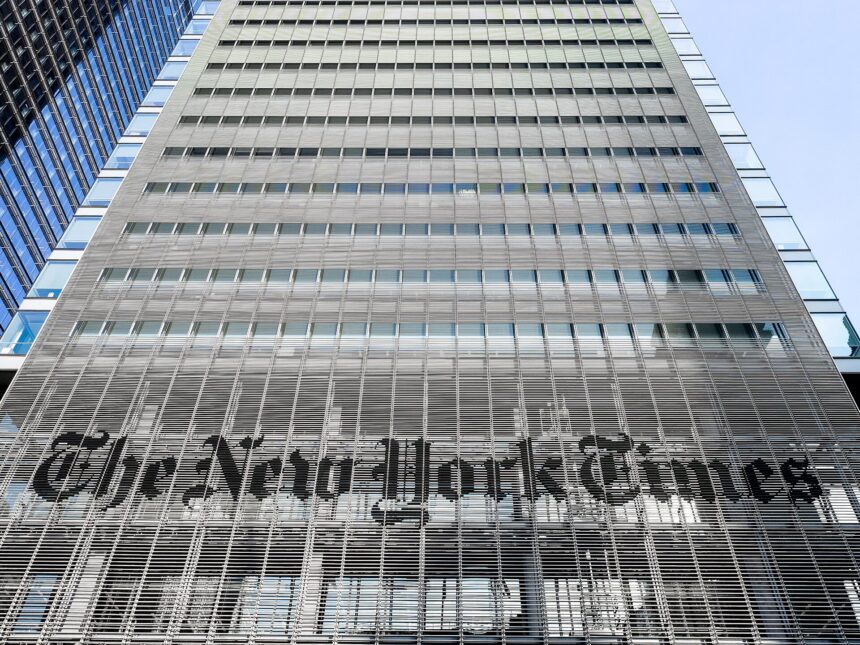
The New York Times Company is in exclusive talks to buy Letterboxd, the social app where film fans log, rate and review what they watch, for about $330 million, Reuters reported, citing the Times’ own reporting. No deal has been signed, and TheWrap noted that the negotiations could still fall apart.
The price is steep. According to Reuters, it values Letterboxd at more than 20 times the roughly $15 million it is projected to earn this year. But the more interesting question is who was bidding against the Times. Film studios A24 and Sony were among the prospective buyers, Reuters said, and TheWrap reported interest from Netflix as well. I think the Times is the least risky owner Letterboxd could have ended up with, precisely because it doesn’t make movies. A studio buying the place where audiences rate films would have been buying the scoreboard. The Times is buying a habit.
What the Times is actually paying for
Letterboxd had more than 30.7 million members at the end of the second quarter, up 43 percent from a year earlier, according to TheWrap. That is enormous growth for a company that Tiny, its majority owner, says had passed 10 million members only by 2023. Tiny took a 60 percent stake that year in a deal that valued Letterboxd at $50 million to $60 million, TheWrap reported, so the reported price would be roughly a sixfold gain in three years.
The Times needs that kind of audience. Its third-quarter results, released November 4, showed about 13.76 million total subscribers and 420,000 net new digital-only subscribers in the quarter. But average revenue per digital-only subscriber was $9.93, up just 1.4 percent from a year ago. The company is aiming for 15 million subscribers by the end of 2027, and with revenue per subscriber barely moving, growth has to come from giving more people a reason to pay.
That is the logic behind the Times’ earlier purchases of The Athletic, Wirecutter and Wordle, the precedents Gizmodo cited in its coverage of the talks. Wordle didn’t make the Times a gaming company. It gave people a reason to open a Times product every day. Letterboxd does something similar for movies: people come back after every film they watch.
Why a studio owner would have been a problem
Letterboxd’s value rests on trust. Its average ratings and trending reviews are read as a signal of what real audiences think, and that only works if nobody with a stake in the outcome controls the platform. Gizmodo raised exactly this point, warning that a studio owner such as Sony could create a conflict of interest.
A news organization that covers movies isn’t perfectly neutral either. But writing about films is not the same as financing and selling them. A newspaper has every reason to keep Letterboxd’s ratings credible, since credibility is the thing it sells.
The case against the deal
The strongest objection is that the Times is paying a growth multiple for something it can easily damage. Reuters reported that the Times would integrate its advertising technology with Letterboxd’s systems, even as the site would likely remain a standalone service for the foreseeable future. Communities like Letterboxd’s tend to notice when a product starts serving its owner’s business rather than its users. Gizmodo said keeping the co-founders in charge would go some way toward easing community fears of decline after a sale, but that is a plan under discussion, not a guarantee.
There is also a question about what exactly $330 million buys. Letterboxd does not disclose how many of its users pay, Gizmodo noted. Tens of millions of free members are only worth the price if a meaningful share can be turned into Times subscribers or advertising, and nothing reported so far shows how that conversion would work. The price was also high enough to push at least one rival out: Reuters reported that A24 dropped out as price expectations rose.
Variety summarized the reported terms on X:
The New York Times Company is in exclusive negotiations to acquire Letterboxd.
The price is reported to be about $330 million, which amounts to more than 20 times Letterboxd’s projected earnings for 2026 of about $15 millionhttps://t.co/soorscpCjV pic.twitter.com/ppKjm1Igig
— Variety (@Variety) November 5, 2026
What to watch
Under the arrangement Reuters described, co-founders Matthew Buchanan and Karl von Randow would keep running Letterboxd and report to a Times Company executive. My take is that the structure matters more than the price. If Letterboxd stays a separate app with its own identity and the Times keeps its integration to ads and an optional bundle, this could follow the Wordle pattern: a separate habit that feeds the bundle. If Letterboxd reviews start appearing as content inside the Times app, or the free tier shrinks to push people toward subscriptions, users will notice.
What I’ll be watching first is whether a signed deal includes any public commitments on independence for ratings and reviews. TheWrap reported that one bidder offered to keep the platform independent. If the Times wants Letterboxd’s community to trust it, making a similar promise in writing would be the cheapest part of a $330 million purchase.
Related reading: Paramount Can Now Buy Warner Bros. for $110 Billion. Most of Its Promises Expire in Five Years. · Facebook Pages Now Get Two Free Links a Month in Meta’s Test. Unlimited Costs $499.99.